




 Security Center Alerts

Protecting Yourself On Social Media
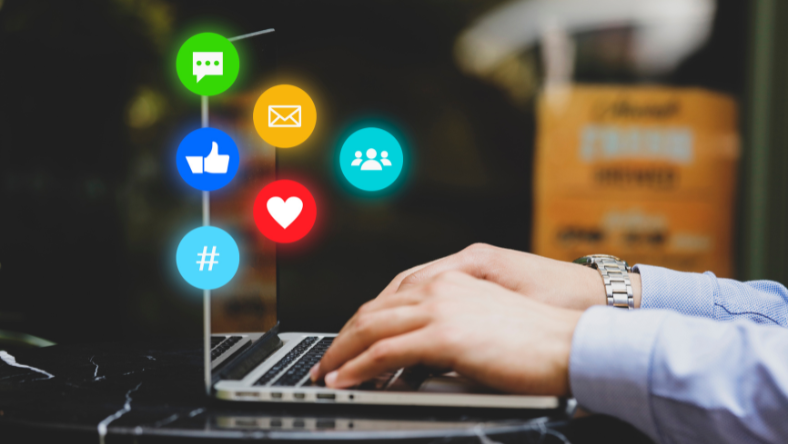
Protecting Yourself on Social Media: Smart Safety Tips for Everyday Users
In today’s digital world, social media makes it easier than ever to stay connected, share experiences, and engage with others. But with that convenience comes increased exposure to privacy risks, scams, and online threats. Understanding how to navigate these platforms safely is essential. By recognizing common risks and adopting proactive habits, you can protect your personal information and enjoy a more secure online experience.
Staying Safe on Social Platforms
In the age of social media, connecting with friends, meeting new people, and engaging with clients is as simple as having an account. However, alongside its perks come significant concerns regarding privacy and safety.
Understanding the risks associated with social media use and knowing how to manage them can help you protect yourself and your loved ones while navigating these platforms.
What Is Social Media?
Social media encompasses digital platforms where users can create and share content while interacting with others. From blogs and forums to major social networking and content-sharing platforms, these sites facilitate connections, allowing users to express thoughts, share experiences, and build communities.
While social media can be a powerful tool for communication and connection, it also carries risks that should not be overlooked.
Understanding the Risks
Despite its benefits, social media presents several challenges that users should be aware of.
Privacy Invasion
Using social media platforms can expose users to privacy risks, including data breaches and unauthorized access to personal information by third parties. In addition, the collection and use of user data by platforms and advertisers raise ongoing concerns about privacy, tracking, and digital surveillance. As a result, many individuals choose to limit how much they share or reduce their overall social media use due to privacy concerns.
Cyberbullying and Harassment
Cyberbullying and online harassment remain prevalent across social media platforms. The ability to interact anonymously can encourage abusive behavior without immediate consequences. This can lead to emotional distress, anxiety, and long-term psychological effects for victims. These impacts can affect users of all ages and should be taken seriously.
Identity Theft
Identity theft is another significant concern associated with social media use. Personal information shared online, such as birthdays, locations, and personal connections, can be exploited by criminals to impersonate individuals or gain unauthorized access to accounts. Even small details can be combined with other data to create serious financial and personal consequences.
Phishing Scams
Phishing scams on social media are increasingly convincing and often appear as legitimate messages, links, or interactions. These scams are designed to trick users into sharing sensitive information or clicking on malicious links, which can result in account takeovers, identity theft, or financial loss.
Best Practices for Protection
Social media has become an integral part of daily life. To use these platforms safely, it is important to follow several essential practices:
- Regularly update privacy settings to limit access to personal information, such as contact details and location.
- Be cautious of suspicious profiles and consider blocking or reporting them.
- Avoid accepting friend or connection requests from unknown users.
- Be mindful of sharing personal information, especially financial details, addresses, or real-time location.
- Use strong, unique passwords for each social media account.
- Enable two-factor authentication to add an extra layer of security.
- Keep apps, devices, and operating systems up to date to reduce security vulnerabilities.
Learn how to recognize phishing attempts and deceptive messages.
While these steps provide a strong foundation for online safety, protecting your privacy is an ongoing effort.
Maintaining Vigilance and Awareness
Online safety requires continuous attention. Being mindful of what you share, who you interact with, and how you secure your accounts can significantly reduce risk. Regularly reviewing account activity and refreshing security settings helps ensure you stay in control of your digital presence.
Remaining proactive, rather than reactive, can make a meaningful difference in protecting your personal information.
Takeaway
Social media offers many benefits, but it also comes with responsibilities. By understanding potential risks and adopting smart online habits, you can enjoy social media while protecting your privacy, personal information, and overall safety.
What's Next?
Staying safe on social media isn’t a one-time task—it’s an ongoing commitment. As platforms evolve and new threats emerge, regularly reviewing your privacy settings and staying informed about online risks can help you stay ahead. By making thoughtful choices about what you share and how you interact, you can confidently use social media while safeguarding your identity, finances, and peace of mind.
FAQs: About Social Media Safety
-
How can I protect my personal information on social media?
Limit what you share publicly, adjust your privacy settings, and avoid posting sensitive details like your address, phone number, or financial information.
-
What are common signs of a social media phishing scam?
Look for urgent messages, suspicious links, unknown senders, or requests for personal information. Scammers often mimic trusted accounts to appear legitimate.
-
Why is two-factor authentication important?
Two-factor authentication adds an extra layer of security by requiring a second verification step, making it harder for unauthorized users to access your accounts.
-
How often should I update my social media passwords?
It’s best to update passwords regularly and use strong, unique combinations for each account to reduce the risk of unauthorized access.
-
What should I do if I think my account has been compromised?
Change your password immediately, enable security features like two-factor authentication, review account activity, and report the issue to the platform.

Wire transfers and online payments are excellent ways to tr
A great apartment is hard to find. Unfortunately, your effo
It is now more important than ever to protect your identity